

Every security trade show for the last five years has promised the same thing: fewer officers, more sensors, lower cost. The reality on UK sites has been slower and more interesting than that. Some of the technology has quietly become standard. Some of it still belongs in a demonstration suite. Knowing which is which saves a great deal of money.
AI-assisted monitoring is real, and it changes what a control room does
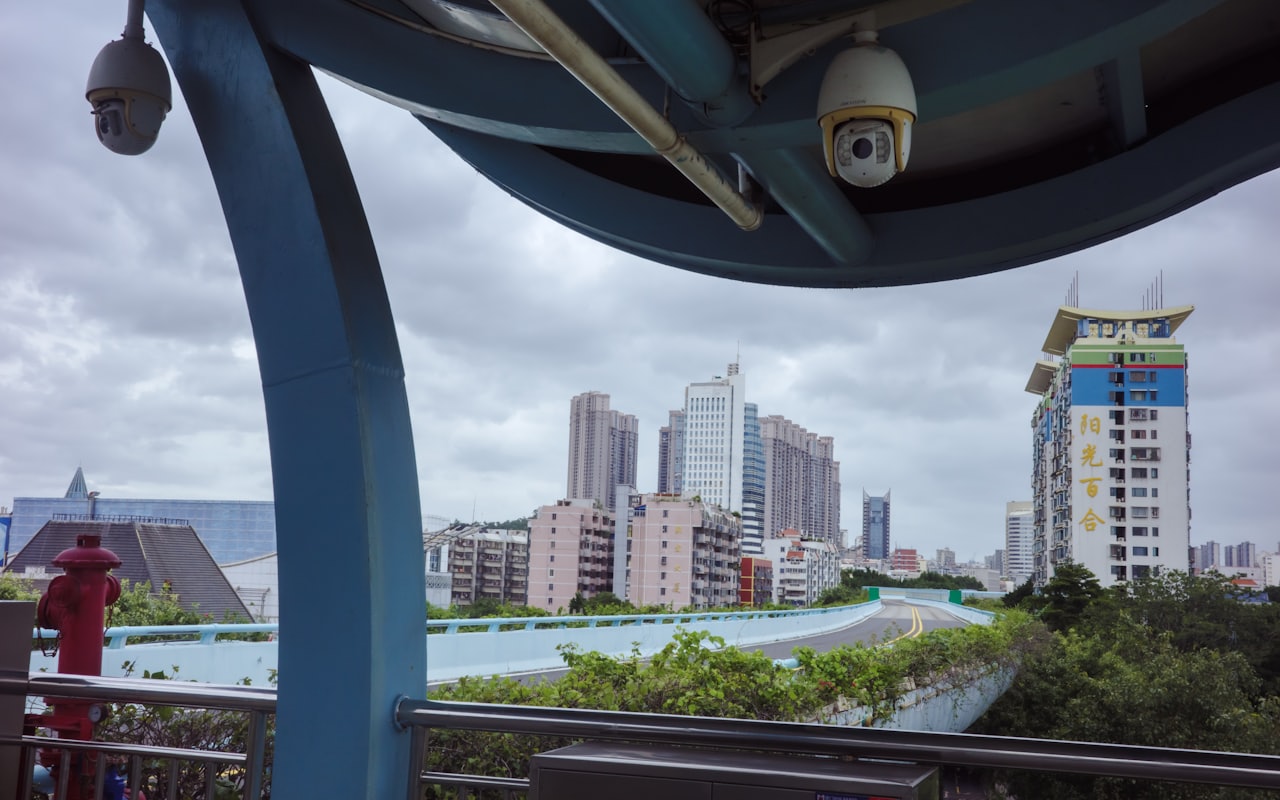
Video analytics has crossed a genuine threshold. Systems that once fired an alert every time a fox crossed a car park can now distinguish a person from an animal, a parked vehicle from a loitering one, and a person walking a boundary from a person climbing it. The false alarm rate has fallen far enough that operators trust the alerts, which is the only measure that matters.
What it has not done is remove the operator. It has changed what they spend their shift doing. A control room watching forty cameras used to be watching none of them properly. The same operator now handles a queue of flagged events with context attached. That is a better job and a better service, but it is still a person making the decision about whether to send someone.
Be sceptical of any proposal that prices out the human entirely. The technology narrows the field of attention. It does not decide what to do about what it finds.
Drones are useful on very specific sites
Drone patrols get more coverage in the trade press than their deployment justifies. In the UK the constraint is regulatory rather than technical. Flights beyond visual line of sight need CAA approval that most commercial operators do not hold, and a drone that needs an operator standing in the yard watching it is not replacing a patrol, it is adding to one.
Where they do earn their place is large, open, low-traffic sites: solar farms, aggregate yards, distribution parks with long perimeters and few people. On a single warehouse or a retail park, a drone is an expensive way to see what a well-placed camera already shows.
Predictive risk modelling is only as good as your incident data
Predictive models promise to tell you where the next incident will happen. They can do something more modest and more useful: tell you when your assumptions have stopped matching your site.
The models need history. If your incident reporting has been a WhatsApp group and a notebook, there is nothing to model. Sites that have logged patrols electronically for two or three years, with NFC or GPS confirmation and structured incident categories, have something worth analysing. Sites that have not should start logging properly now and revisit the question in a year.
This is the least glamorous finding in the field and the most consistent one. The organisations getting value from analytics are the ones that were disciplined about record keeping before anyone mentioned analytics.
Access control has become the quiet centre of everything
The most significant change on commercial sites has not been cameras or drones. It has been the shift from keys and fobs to credentials that can be issued, revoked and audited centrally. Mobile credentials, in particular, have removed the largest single administrative failure in physical security: the leaver who kept their fob.
If a business has budget for one upgrade, this is usually where it earns most. It reduces incidents, it reduces the cost of investigating them, and it produces the audit trail that insurers and regulators increasingly expect to see.
Regulation is the trend nobody plans for
The Terrorism (Protection of Premises) Act, widely known as Martyn’s Law, has brought a large number of UK venues into scope for formal risk assessment and staff training for the first time. Many organisations affected by it do not yet realise they are.
If your premises are publicly accessible and hold significant numbers of people, treat this as a planning matter for this financial year rather than a compliance scramble later. The requirements are proportionate, but they assume you have documented what you already do. Most sites have not.
What we would actually recommend
Spend first on access control and on properly logged patrols. Both produce data, and data is the prerequisite for everything else. Add analytics to cameras you already trust rather than buying cameras to run analytics. Treat drones as a site-specific answer, not a general one. And read the new regulatory requirements before somebody sends you a quote for meeting them.
The businesses that will be well protected in five years are not the ones buying the newest equipment. They are the ones that know, in writing, what happens on their site at three in the morning.